Cinéma Vérité and Direct Cinema in 10 films
In the 1960s light cameras and portable sound let documentary filmmakers walk into real rooms and stay. These ten films follow the move from Rouch's playful questions to Wiseman's silent institutions and the Maysles' close portraits.
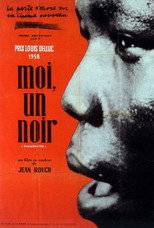
- 1Me, a Black 1958Jean Rouch · IMDb 7.3Young Nigerian migrants in Abidjan play out their own lives and improvise the commentary themselves. Rouch's key step towards a cinema where the people filmed take part in making the film.
Next: Chronicle of a Summer
From West Africa to Paris: Rouch brings the same trust in his subjects home and asks them questions himself, this time with a sociologist beside him. - 2Chronicle of a Summer 1961Jean Rouch · IMDb 7.4Rouch and the sociologist Edgar Morin stop Parisians on the street and ask whether they are happy. The film that gave the movement its name, and it shows its own making.
Next: Crisis: Behind a Presidential Commitment
The Atlantic crossing: Drew and his team drop the questions altogether and watch events unfold, with portable sync sound making it possible. - 3Crisis: Behind a Presidential Commitment 1963Robert Drew · IMDb 7.7Cameras follow the Kennedy administration and Governor Wallace during the Alabama school integration standoff in 1963. Drew Associates' most famous proof that light gear can enter rooms where history is made.
Next: Pour la suite du monde
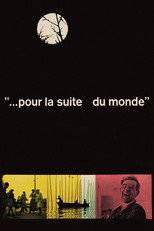
Back to the French-speaking world: where Drew watches power at work, Perrault and Brault listen to ordinary people on a small island. - 4Pour la suite du monde 1963Pierre Perrault · IMDb 8.2Islanders on the Île aux Coudres revive an old whale hunt for the camera. Perrault and Brault turn the speech and memory of ordinary Quebecers into the heart of the film.
Next: Le joli mai
Marker takes Rouch and Morin's street questions and gives them a poet's eye and a long, patient view of one city. - 5Le joli mai 1963Chris Marker · IMDb 7.8Marker and cameraman Pierre Lhomme talk to Parisians in the spring of 1962, just after the end of the Algerian war. A portrait of a city that is also a study of private hopes and public worries.
Next: Titicut Follies
The mood hardens. After the openness of 1960s Paris, Wiseman refuses commentary and shows an institution as it really runs. - 6Titicut Follies 1967Frederick Wiseman · IMDb 7.7Wiseman's first film takes us inside a Massachusetts hospital for the criminally insane, with no narrator and no interviews. It sets the method he would use for decades, and for years it was restricted in his home state.
Next: Salesman
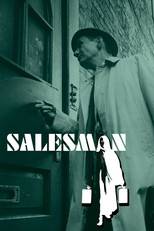
From an institution to individuals: the Maysles keep the no-commentary rule but follow a few people through their working days. - 7Salesman 1969Albert Maysles · IMDb 7.6The Maysles brothers and Charlotte Zwerin follow four door-to-door Bible salesmen. It plays almost like a drama, which showed how close observation could move from institutions to individual lives.
Next: Gimme Shelter
Same crew, bigger stage. The Maysles move from door-to-door sales to a rock tour, and the film builds toward an event nobody could have planned. - 8Gimme Shelter 1970Albert Maysles · IMDb 7.8The Rolling Stones' 1969 American tour reaches the Altamont concert, and the Maysles' cameras record what went wrong. Direct cinema gets a built-in reflection as the band watches the footage.
Next: Grey Gardens
The Maysles go from crowds to a house with two people. Distance disappears, and the subjects begin to perform for the camera. - 9Grey Gardens 1975Albert Maysles · IMDb 7.5Two women, a mother and daughter from a wealthy family, live in a decaying East Hampton house, and talk to the camera as if to a guest. Observation turns into an unusually intimate, almost theatrical collaboration.
Next: Harlan County, USA
A shift from private eccentricity to public struggle: the same year-after-year patience, now in the service of a strike and a cause. - 10Harlan County, USA 1976Barbara Kopple · IMDb 8.2Kopple spent years with striking Kentucky coal miners and their families during the Brookside strike. It carries the observational method into committed political filmmaking.






Where next: the school page lists many more films, and the Free Cinema and British New Wave guides show a different kind of realism from the same years.
Learn more about Cinéma Vérité and Direct Cinema →