Early and Pioneering Cinema in 8 films
In thirty years cinema went from a one-minute street scene to the feature-length epic. These films show how the basic tools of film were invented: trick effects, storytelling, editing and the big spectacle.
- 1Workers Leaving the Lumière Factory 1895Louis LumièreThe Lumière brothers filmed their own factory gates in 1895. Under a minute long, it is often counted as the first film shown to a paying public.
Next: A Trip to the Moon
After simply recording life, cinema learns to imagine, as Méliès turns the camera toward fantasy and stage magic. - 2A Trip to the Moon 1902Georges Méliès · IMDb 8.1Méliès turned cinema into a stage for magic tricks. The rocket in the Moon's eye is one of the most famous images in film history.
Next: The Cabbage Fairy
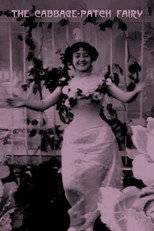
Here is another route beyond trickery: a woman proving that a simple, charming story could hold an audience. - 3The Cabbage Fairy 1896Alice Guy-BlachéAlice Guy-Blaché made one of the first story films in 1896. She went on to become the first woman to run a film studio.
Next: The Great Train Robbery
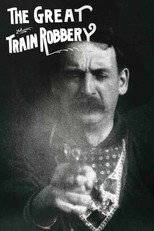
Storytelling gets faster and bolder as scenes are joined through editing, giving the young medium its first taste of real suspense. - 4The Great Train Robbery 1903Edwin S. Porter · IMDb 7.2Porter cuts between scenes to tell one story in twelve minutes. The last shot, a bandit firing at the audience, shocked viewers in 1903.
Next: Intolerance
From twelve minutes of clever cutting to a vast epic: Griffith takes the same idea and scales it up with enormous sets. - 5Intolerance 1916D.W. Griffith · IMDb 7.6Griffith's giant epic weaves four stories from four ages. Its huge sets and its crosscutting influenced filmmakers for decades.
Next: Les Vampires
Back to the streets: after the grand spectacle, a serial shows how thrilling real Paris locations could be. - 6Les Vampires 1915Louis Feuillade · IMDb 7.3Feuillade's serial about a gang of criminals in Paris was shot on real streets. It is a favourite of the Surrealists.
Next: J'accuse
The new film language now meets the shadow of the First World War, aimed at feeling rather than thrills. - 7J'accuse 1919Abel Gance · IMDb 7.7Gance's First World War film ends with a famous scene of the dead rising from their graves. He used real soldiers on leave as extras.
Next: Napoléon
The same director returns with far bigger ambitions, throwing every technical invention he can find at a historical epic. - 8Napoléon 1927Abel Gance · IMDb 8.2Gance's huge silent epic uses split screens, handheld cameras and a triple-screen finale. It was far ahead of its time.