Japanese Golden Age in 10 films
In the 1950s Japanese cinema won the West's attention with three very different masters: Kurosawa's energy, Ozu's stillness and Mizoguchi's long, flowing takes.
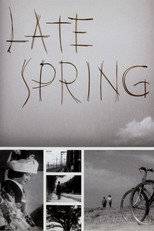
- 1Late Spring 1949Yasujiro Ozu · IMDb 8.2Ozu's story of a daughter who does not want to leave her father to marry. His quiet style in its clearest form.
Next: Rashomon
From Ozu's hushed family room to Kurosawa's restless energy, the film that first made the West look at Japan. - 2Rashomon 1950Akira Kurosawa · IMDb 8.1One crime told four times by four people who disagree. It introduced Japanese cinema to the West and made "Rashomon effect" a phrase.
Next: The Life of Oharu
Now the third master: Mizoguchi answers Kurosawa's sharpness with patient, flowing takes and one woman's long story. - 3The Life of Oharu 1952Kenji Mizoguchi · IMDb 8.0Mizoguchi follows a woman's long decline in feudal Japan, with some of the most beautiful long takes of the era.
Next: Ikiru
Back to Kurosawa, who leaves feudal times for modern Tokyo and turns his energy toward one ordinary man's question. - 4Ikiru 1952Akira Kurosawa · IMDb 8.3A dying civil servant looks for a purpose for his last months. Kurosawa's most humane film.
Next: Ugetsu
Mizoguchi returns, trading the office for a world of war and ghosts where ambition comes at a price. - 5Ugetsu 1953Kenji Mizoguchi · IMDb 8.1Ghost story and war story together, as two men chase ambition and lose what matters. A masterpiece of Mizoguchi's later years.
Next: Tokyo Story
Ozu answers with stillness: no ghosts, no battles, only a family and the small distances between its members. - 6Tokyo Story 1953Yasujiro Ozu · IMDb 8.1An old couple visits their grown children in Tokyo and finds little time for them. Often placed near the top of lists of the greatest films.
Next: Sansho the Bailiff
After an intimate family drama, Mizoguchi widens the frame to the Middle Ages and a household pulled apart. - 7Sansho the Bailiff 1954Kenji Mizoguchi · IMDb 8.3A family torn apart in the Middle Ages, and a brother and sister who endure slavery. Mizoguchi at his most moving.
Next: Seven Samurai
Kurosawa responds with action on a grand scale, as a village decides it must be defended. - 8Seven Samurai 1954Akira Kurosawa · IMDb 8.6Villagers hire seven masterless samurai to defend them against bandits. The model for countless action films since.
Next: Throne of Blood
Still with Kurosawa and feudal Japan, but the village gives way to Shakespeare and the stylised stage. - 9Throne of Blood 1957Akira Kurosawa · IMDb 8.0Kurosawa moves Macbeth to feudal Japan, with the style of Noh theatre and a famous final scene.
Next: Floating Weeds
To close, Ozu in colour: after the swords and castles, a gentle ending in a small seaside town. - 10Floating Weeds 1959Yasujiro Ozu · IMDb 7.9Ozu in colour: a travelling theatre troupe comes to a small seaside town. A remake of his own silent film.